
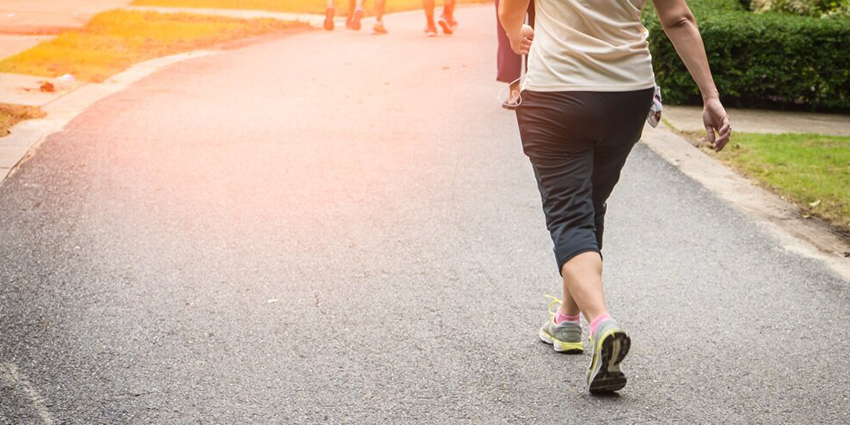
“Best Long Distance Walking Shoes 2020,” Outside Buzz (blog), January 31, 2020, accessed 2019, https://outsidebuzz.com/best-long-distance-walking-shoes
Walking is one of the most refreshing activities in human life. Many of us walk for recreational purposes, Body exercise and others walk to a certain destination for reasons better known to them. It all doesn’t matter what kind of walking you are doing, the fact is that you need to have good walking shoes.
Otherwise, walking might never be as interesting as expected. Just like running, walking can be a very challenging activity only that the impact is less severe compared to that of running. And especially when you do long-distance walking, you get to strain your feet, knees, ankles, and back. However, this straining can be eased by getting yourself the best long distance walking shoes. In this post, I have prepared a list of 8 best long distance walking shoes. But the before we review the products, let get to know how to go about choosing the best long-distance walking shoes.ween.
How to Choose the Best Long Distance Walking Shoes
We live in an era where the shoe industry is making a lot of shoes. Therefore, the market is flooded with numerous and different brands of shoes. For that reason, making the best choice for long-distance walking shoes becomes a bit tricky and quite challenging. Nevertheless, its time you calmed your worries for below is a list of considerations you should always make to get the very best shoe brand that best suits your needs.
1. Comfort
This is one of the most vital features, let alone long distance walking shoes. And so that tells you that you should never ignore the comfort consideration whatsoever. Your feet are responsible for carrying along the rest of your body throughout your walk. With that in mind, you can imagine how much pressure your feet withstand every single day you go walking. Therefore, that will justify the comfort consideration when you go shopping for the best long-distance walking shoes. Your feet will surely need utmost comfort to help maintain the strength to keep withstanding the pressure.
2. Size
The fact that you already know your feet size doesn’t mean that you won’t consider the size factor anymore. We have a lot of shoe companies/brands available in the market and some of them may have your exact feet size indicated but in real life, they won’t fit perfectly. It’s always important to be sure of the shoe size before you settle down for them. You must try the shoes by yourself before buying to be sure that they fit well.
3. Foot Shape
This factor should have fallen under the size point but I thought it wise to have it as a standalone consideration. It is very important to have it in mind that your feet size will greatly affect the kind of shoe you were. The shape of your feet will dictate the shape of the shoes you choose. If you are a wide feet person, then you ought to get shoes with a wide toe box. If you have narrow feet, then obviously your shoes’ toe box should be narrow as well.

4. Arch Support
Your feet arches take the greatest deal of the pressure from the rest of your body. If you wish to keep your feet in good and healthy condition, you tied to making sure that the arch support of the walking shoes you settle for is incredible. Nevertheless, as much as you are looking out for an incredible shoe arch support, you should always remember to consider the type of feet arches you have. Low arched feet should go hand in hand with lowly elongated shoe arch support. As for high arched feet, the arch support should be utmost.
5. Durability
If you are into long-distance walking, you will need long-lasting shoes. Shoes that can withstand the challenges of long-distance walking. Long-distance walking will expose your shoes to different surfaces, smooth and rough surfaces altogether. Therefore, if your shoes aren’t strong enough to take the pressure, then you will keep on going back for shopping and am quite sure that’s not your wish at all. All shoes will indeed have to be replaced eventually but at least after a long time of service. Get o know the materials that last longer. Again, get to be ken on the durability of the shoes before you buy them. Quality and durable shoes, should at least last for 6 months or 500 miles of frequent walking.
6. Outsole Traction
The outsole is the part of your shoes that make direct contact with the ground when you are walking. This part needs to be grooved. The grooves are meant to create grip when you walk hence maintaining stability and traction. Make sure before you settle down for any shoe you confirm if they are well gripped. Note that poorly grooved shoes will expose to dangers like sliding and even falling.
7. Price
Price is also worth considering when buying the best long-distance walking shoes. I always advise you to be careful whenever you are buying something. You worked for your money and it makes no point when you spent it aimlessly and carelessly. We all spent within a specific budget. And if you don’t have a budget to spend within, you are surely lost. Have a budget plan and always keep your spending within the boundaries of your budget. Do not go buying expensive shoes while you still owe your landlord. Be wise and spent wisely.
8. Breathability
Breathability is very crucial as far as long-distance walking is concerned. Every part of your body is entitled to sweating which is biological and healthy. It’s an inevitable biological process. And therefore, your feet will not be an exception and especially when you expose them to long-distance walking. There needs to be a free air circulation in within your shoes otherwise your feet will start producing an unpleasant smell. To ensure there is free air circulation, your shoes must be well ventilated. Ensure that the shoes you choose have a breathable membrane to allow air to flow in freely. Shoe breathability also maximizes the shoes’ breathability.
Read the full article here.